

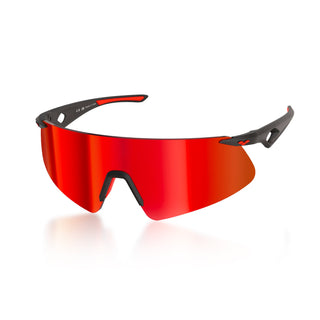
Have you ever tried to look through dirty, foggy, or fingerprint-ridden lenses? Clear vision starts with daily care. Knowing how to clean your glasses properly makes a real difference not only in improving your vision, but also in extending the life of your lenses and frames. However, many people make common mistakes: using the wrong cloths, harsh detergents, or rushing to clean them, which, instead of helping, actually damage the lens coating or scratch them.

Visual Care and the Importance of Details
Why is Proper Cleaning Important?
- Maximum Optical Performance: Dirty lenses cause light to scatter, reducing contrast and brightness. Clean glasses ensure that light hits the eye as precisely as possible, reducing eye strain.
- Coating Protection: Anti-reflective (AR) and water-repellent coatings are thin nanometer-scale layers vulnerable to chemical attack and abrasion. Proper cleaning ensures their longevity, preserving your investment.
- Frame Hygiene and Durability: Areas in contact with the skin (nose pads, temples) accumulate sebum, sweat, cosmetics, and bacteria. Regular cleaning prevents skin irritation and the yellowing or corrosion of frame materials.
The Real Risks of an Errant Cleaning:
Many people make the mistake of using the corner of their shirt, paper tissues, or household cleaners. These seemingly harmless gestures are the main cause of:
- Permanent Micro-Scratches: Caused by abrasive dust particles rubbing on the lens.
- Chemical Deterioration: Solvents attack the AR layer, causing the "craquelé" phenomenon or the formation of permanent halos.
- Structural Deformation: Exposure to heat (such as leaving glasses on the dashboard of a car) can warp plastic frames, altering their optical alignment.
In this comprehensive guide, based on optical best practices , you'll discover how to treat every part of your glasses with the care they deserve.
Detailed Component Analysis
To perform targeted and effective cleaning, it is essential to understand the physical composition of the glasses.
2.1 Lenses: Technology, Layers and Sensitivity
Modern lenses are coated with multiple functional layers. Cleaning must respect their complex chemistry:
| Treatment | Technical Function | Sensitivity and Precautions |
|---|---|---|
| Anti-reflective (AR) | Eliminates reflections on the surface, increasing light transmission. | Extremely vulnerable: Avoid alcohol, acetone and solvents, which cause delamination. |
| Photochromic | They react to UV rays by darkening (common in photochromic sports glasses). | Heat Sensitive: Avoid hot water and direct heat sources, which compromise their reactivity. |
| Oil-water repellents | Reduces the adhesion of grease and water. | Enemy: Oils and Fabric Softeners: Do not use moisturizing soaps or wash the microfiber cloth with fabric softener. |
| Polarized | Filter to eliminate reflected glare (see polarized glasses: goodbye reflections, perfect vision ). | Standard cleaning; beware of solvents that could penetrate and damage the internal polarizing film. |
2.2 The Frame: Materials, Flexibility and Hygiene Points
The frame requires cleaning for hygiene and to maintain the stability that ensures the correct positioning of the lenses.
- Acetate and Plastic Frames: They are flexible, but sensitive to chemicals that can dry out the plastic, making it brittle or dull. They require thorough drying after washing.
- Metal and Titanium Frames: Very durable, but hinges and screws may oxidize if exposed to salt water (e.g. sweat or sea) and not dried.
- Critical Points: The nose pads (which absorb the most sebum) and the joints/hinges (which trap solid dirt) are the points where you need to concentrate your brushing.
How to: Step by Step

The recommended cleaning method is universal due to its safety and effectiveness.
-
Hygiene and Pre-treatment (Essential Phase):
- Wash your hands: Wash your hands with mild soap and warm water. It's crucial to avoid any residue from moisturizers, lotions, or essential oils, which could stain the contact lens.
-
Initial Rinse (The Anti-Scratch Move):
- Hold your glasses under warm running water . This mechanical rinsing removes coarse dust and micro-debris that, if rubbed, would cause abrasion. Never use hot water (to avoid thermal shock).
-
Gentle Cleansing and Soap:
- Apply a single drop of neutral liquid soap (liquid Marseille soap or a dish detergent without harsh additives are ideal) to each side of the lenses.
- Circular Massage: Gently rub with your fingertips in circular motions, without applying any pressure . Extend the massage to the nose pads, temples, and bridge.
- Technical Note: Neutral soap acts as a surfactant, breaking the surface tension of the greasy sebum and allowing water to wash it away.
-
Perfect Rinse and Dry:
- Rinse again, making sure all traces of suds are completely removed. Soap residue dries, leaving streaks.
- Gently shake the glasses to remove excess water.
- Drying: Use only a clean, dry microfiber cloth or, alternatively, a 100% lint-free cotton cloth. Pat dry before wiping.
-
Cleaning the Joints and Nose Pads:
- For solidified dirt, use a cotton swab or a very soft-bristled toothbrush moistened with soap and water, focusing on hard-to-reach areas.
3.1 The Away Cleaning Kit
When you're on the go or wearing your fast glasses, the summer's sports staple , you need a quick fix:
- Specific Cleaning Spray: Spray bottles formulated for AR-coated lenses. Spray and dry immediately.
- Pre-moistened wipes: Choose only those guaranteed by your optician and free from alcohol or ammonia.
What Not to Do: The Blacklist of Common Mistakes
To protect your investment in the long term, strictly avoid these mistakes:
- No Dry Rubbing: Never rub your lenses dry with clothing, tissues, paper towels, or napkins. Their fibers are highly abrasive.
- Avoid Chemical Solvents: Never use denatured alcohol , glass cleaner (vitryl), acetone , perfume , hairspray , or ammonia . These products dissolve the anti-reflective coating in seconds.
- Avoid Extreme Temperatures: Never leave your glasses in a sauna, in a car dashboard exposed to the sun, or near heat sources.
- Don't Wear Them on Your Head: Wearing glasses as a headband distorts the frame (altering optical alignment) and contaminates them with grease and hairspray.
- Don't Use Saliva: Saliva contains digestive enzymes and bacteria that can damage lenses or leave deposits.
Frame Care, Accessories and Proactive Maintenance
Frame care is crucial for fit and hygiene.
- Thorough Contact Point Hygiene: A targeted weekly cleaning with a neutral soap on the nose pads and temple tips is essential. Sebum and makeup accumulate there more than on the lenses.
- Regular Checks: Check the hinges and screws regularly. If the screws are loose, gently tighten them with an optician's screwdriver. If the frame is crooked, see your optician for a professional adjustment.
- Optimal Storage: Always use a hard case to protect your glasses when you're not wearing them, especially if they're sports glasses (which are often more exposed).
Cleaning and Special Treatments
- Photochromic Lenses: If you use adaptive lenses (such as the photochromic versions of Fulmine or Saetta), remember that they are more susceptible to heat damage. Clean them when they are clear and never in the blazing sun.
- AR/Water-Repellent Coated Lenses: Mild soap and water is the only safe, universal method. The goal is to keep the water-repellent top coat intact, which helps water roll off.
When to See an Optician (Professional Cleaning)
The optician offers services that you cannot replicate at home:
- Ultrasonic Cleaning: Ideal for metal frames and for dissolving dirt encrusted in crevices and around screws, which cannot be reached with manual methods.
- Component Replacement: Worn nose pads, temple tips and screws can be easily replaced, restoring comfort and hygiene.
Daily Routine and Practical Advice
Small Daily Gestures:
- The Two-Hand Rule: Always put on and take off your glasses using both hands; this prevents the frame from warping and stressing the hinges.
- Microfiber: A quick wipe with a clean cloth in the morning removes overnight dust.
- Washing the Cloth: Wash the microfibre cloth regularly in the washing machine or by hand, NEVER using fabric softener (it leaves waxy residue that stains the lenses).
When Cleaning Isn't Enough: Signs of Replacement

It is crucial to know when the problem is not dirt, but permanent damage:
- Persistent Scratches or Cloudiness: If the halos or streaks do not go away with thorough cleaning, it means that the AR coating or the lens itself has been irreversibly damaged.
- Malfunction: Photochromic lenses that remain dark indoors or do not react to the sun.
- Deformed Frame: If the frame does not hold its shape and continues to slip, it needs to be adjusted or replaced.
Frequently Asked Questions (FAQ)
- Can I use just water? No, water alone isn't an effective degreasing agent for sebum and makeup. A mild soap is necessary.
- What if I don't have a microfiber cloth? Use a clean, lint-free 100% cotton cloth.
- Can I use glass cleaner? Absolutely not. They contain ammonia, which destroys the anti-reflective coating.
- Is alcohol safe? No. While some specialized cleaners contain low concentrations of isopropyl alcohol, pure supermarket alcohol (ethyl alcohol) is too harsh and should be avoided.
Conclusion: Your Commitment to Sight
Taking care of your glasses is a gesture that respects your visual health and your wallet. By adopting the simple method of warm water, mild soap, and a microfiber cloth, you can maintain the visual efficiency and aesthetics of your glasses for years to come.